 801-771-7100


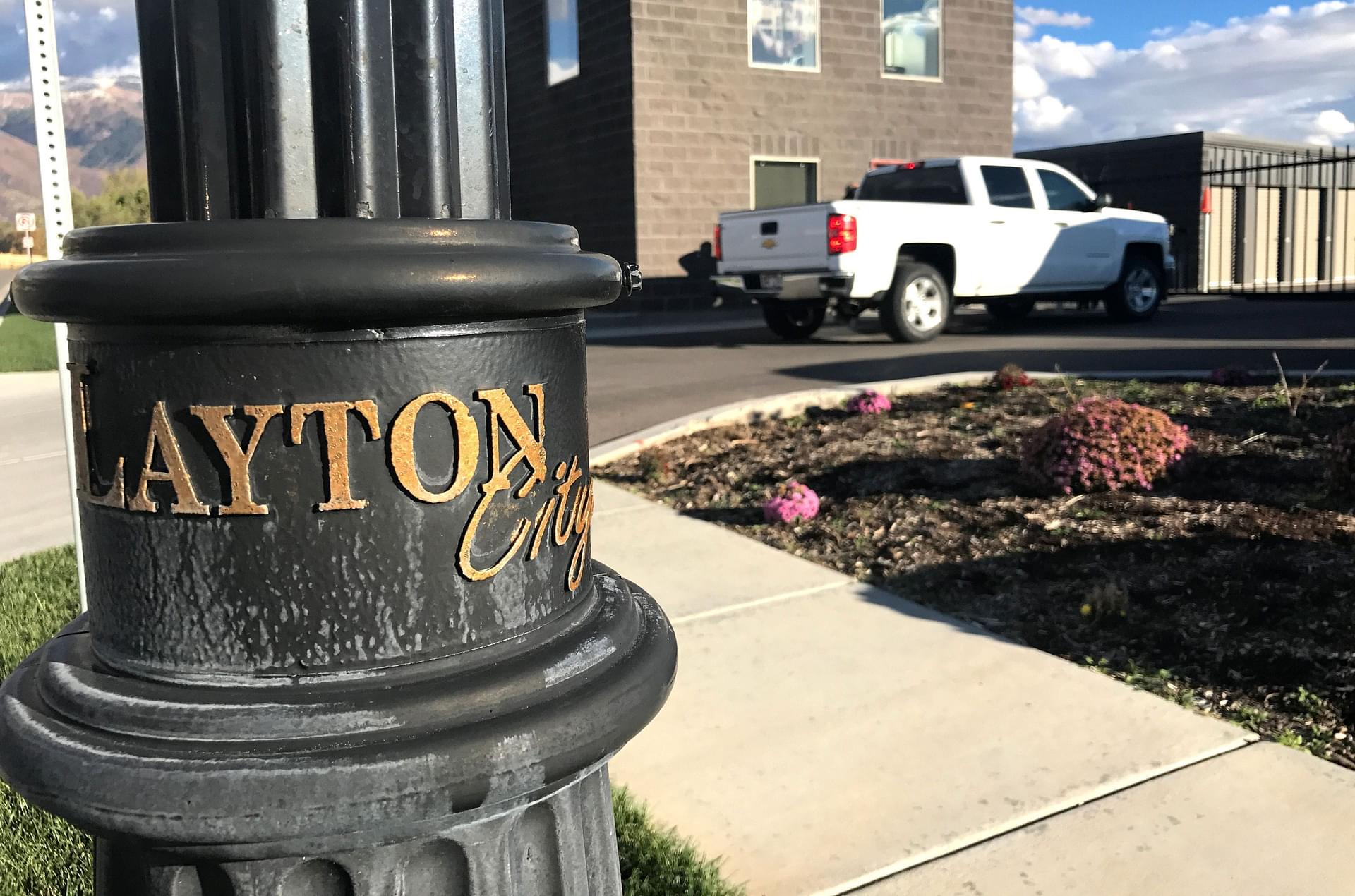
Layton sits right in the middle of Utah's Wasatch Front, tucked between Salt Lake City and Ogden with the mountains rising to the east of Highway 89. The city has grown from a quiet spot along the railroad into a suburb of over 85,000 people, drawing families and young professionals who want access to outdoor recreation without the price tag of Park City or the density of downtown Salt Lake. It's a place where you can ski in the morning and kayak in the afternoon, all while keeping your commute under 30 minutes.
Life here can be rewarding, but it's not for everyone. Some love the small-town feel with big-city proximity, others find the jet noise from Hill Air Force Base a dealbreaker. The housing market has gotten competitive, traffic on I-15 can test your patience during rush hour, and public transit won't get you everywhere you need to go. Here's what to expect when moving to Layton.
Pros of Living in Layton
1. Outdoor Adventure Is Minutes Away
Layton gives you 15 city parks, over 24 miles of trails, two reservoirs, two golf courses, and access to Antelope Island State Park without even leaving the city limits. Adams Canyon trail starts just above Highway 89 and takes you 3.5 miles through shaded forest to a waterfall at the end. Andy Adams Reservoir at 1799 E Gordon Avenue is perfect for kayaking and fishing with a launch ramp for motorless boats. The Lone Oak Loop gets the highest ratings from hikers who want views of the valley without committing to an all-day trek.
Antelope Island sits 30 minutes west across the causeway, where free-ranging bison graze near hiking trails and sandy beaches along the Great Salt Lake. Snowbasin ski resort is 45 minutes east up the canyon, accessible via UTA bus service from the Layton FrontRunner Station. You can be on the slopes by 9 AM without dealing with parking. The Great Salt Lake Shorelands Preserve spans 4,400 acres of wetlands habitat, making it one of the best birdwatching spots in the state.
2. The Job Market Is Strong and Diverse
Hill Air Force Base employs over 24,000 people and generates $12.7 billion in annual economic impact, making it Utah's largest single-site employer. A $1.5 billion Northrop Grumman expansion for the GBSD missile contract is adding 2,400 jobs just north of Layton. The work isn't limited to military and aerospace either. Layton's employment base includes logistics, manufacturing, healthcare, education, finance, hospitality, and retail, giving you options if you want to switch careers without moving cities.
Utah added jobs in August 2025 and maintained one of the nation's lower unemployment rates, with growth concentrated in education, health services, construction, and professional services. The median household income in Layton sits at $102,480, well above the national average. For the 18th consecutive year, Utah ranked first in the nation for economic outlook according to the American Legislative Exchange Council. If you're looking for job security and upward mobility, Layton delivers.
3. You're Between Two Major Cities Without Being in Either
Layton to Salt Lake City is 24 miles and takes about 23 minutes by car when traffic cooperates. Ogden is 14 miles north and 15 minutes away. You can catch concerts at Vivint Arena or Red Butte Garden in Salt Lake, then retreat back to Layton where the streets are quieter and parking is easier. The FrontRunner commuter train runs from the Layton Station at 150 S Main St, getting you to downtown Salt Lake in 31 minutes for $2 to $5. Service starts at 5:31 AM and ends at 11:31 PM, covering most work schedules.
This central location means you're not locked into one city's job market or social scene. You can work in Ogden, shop in Salt Lake, and live somewhere that still feels like a community instead of a commuter outpost. Downtown Layton has its own identity with Layton Hills Mall, local restaurants, and weekly events like Layton FEST at Commons Park, which brings together farmers markets, food trucks, and live music every Friday night. You get the best of suburban living without feeling disconnected from urban opportunities.
4. Cost of Living Is Lower Than Other Wasatch Front Cities
Average rent in Layton is $1,213 per month, which is 25% lower than the national average of $1,628. A one-bedroom apartment goes for around $1,213, while a three-bedroom rental costs about $1,876. Compare that to Salt Lake City or Provo where rent eats up a bigger chunk of your paycheck. The median home price sits at $520,000, still expensive but more accessible than Park City or the avenues neighborhoods in Salt Lake.
Utilities run 5.5% lower than the national average, and Layton's overall cost of living is 5% less expensive than the national average. You're paying more for housing than you would in rural Utah, but significantly less than you'd spend in California or Seattle for comparable access to jobs and recreation. Groceries, gas, and everyday expenses stay reasonable. The city has been growing at 0.68% annually, but it hasn't reached the price explosion that other Utah cities have experienced.
5. The Weather Gives You All Four Seasons
Layton gets 226 sunny days per year, well above the U.S. average of 205. Temperatures range from 24°F in winter to 91°F in summer, giving you a true four-season climate without extreme heat or brutal cold. Summers are hot and dry with mostly clear skies, perfect for hiking and water activities. Winters bring an average of 43 inches of snow, more than enough to keep the ski resorts running but manageable for daily life.
Spring wildflowers bloom along the trails in April and May, and fall colors paint the canyons in October. You're not dealing with Houston humidity or Phoenix heat, and winter rarely drops below 12°F. July averages 13.23 hours of sunshine per day, while January still gives you 6.05 hours. The predictability makes it easy to plan outdoor activities year-round. If you want distinct seasons without weather that forces you indoors for months at a time, Layton's climate hits the sweet spot.
Cons of Living in Layton
1. Traffic on I-15 Can Be Brutal
I-15 runs straight through Davis County, and during rush hour the commute between Layton and Salt Lake can stretch well past the advertised 23 minutes. The Wasatch Front Regional Council's Congestion Management Report shows that Ogden/Layton area corridors will face increased congestion by 2050 as transportation demand grows. Right now you're already seeing backups near the I-15/Highway 89 interchange during morning and evening commutes.
UDOT provides real-time traffic updates through over 1,200 cameras and 200 message boards, which helps you avoid the worst of it, but that only goes so far when everyone's heading south at 7:30 AM. Construction projects add to the delays, and accidents can shut down lanes for hours. If your job requires you to be in Salt Lake or further south every day, factor in extra time. The FrontRunner helps, but it doesn't solve the problem if you need a car once you arrive. Growth in Layton and surrounding cities keeps adding vehicles to a highway system that's struggling to keep up.
2. Jet Noise from Hill Air Force Base Is Constant
The number one complaint from residents living near Hill Air Force Base is noise. F-35 training flights create sound levels that shake houses, crack windows, and make outdoor conversations impossible when jets pass overhead. Residents have formed Safe Skies Utah to push for solutions after the city and base conducted a study that produced 21 recommendations, most of which haven't been implemented.
The noise isn't occasional. Training happens regularly, and when it does, you feel it. Windows vibrate off walls, and it's a constant repair job for some homeowners near the base. If you're house hunting, check noise maps and visit the property at different times of day before committing. The economic benefits of Hill Air Force Base are undeniable, but living near it comes with a soundtrack.
3. The Housing Market Has Gotten Competitive
Home prices were up 7.2% in December 2025 compared to the previous year, with the median price hitting $520,000. In June 2025, homes sold for a median of $569,999 after 47 days on the market. Inventory has increased, giving buyers more choices, but you're still competing with others who want the same central location and access to jobs. Homes in Layton sell after an average of 51 days, and sellers still expect offers close to list price.
The market favors buyers more than it did two years ago, but it's not a free-for-all. Inventory for 3-bedroom homes increased by 48.6%, 4-bedroom homes by 46.0%, and 5-bedroom homes by 34.8% in June 2025, which helps, but demand remains strong. First-time buyers face competition from people relocating from more expensive markets who can pay cash or waive contingencies. If you're coming from out of state, expect to move fast when you find something that works.
4. Public Transit Won't Get You Everywhere
FrontRunner service runs from 5:31 AM to 11:31 PM from the Layton Station, which helps if you're commuting to Salt Lake or Ogden along the rail line. Routes 470, 628, and 677 serve the station, but bus coverage gets thin once you leave the main corridors. If you need to get to a trailhead, a grocery store on the west side of town, or a friend's house in a residential neighborhood, you'll need a car.
UTA operates 120 regular bus routes across the region, but Layton doesn't get the density of service you'd find in Salt Lake City. The FrontRunner 2X project will add capacity with double tracking in 11 locations, one new station, and 10 new trainsets, with construction starting in 2026 and finishing by 2030. That helps future commuters, but it doesn't solve today's problem of needing a car for most errands. If you're trying to live car-free or car-light, Layton will test that commitment.
5. Growth Pains Are Showing
Layton's population has increased by 4.19% since 2020, and the city is growing at 0.68% annually. New developments keep popping up, which brings more traffic, more demand on infrastructure, and a changing character to neighborhoods that used to feel quieter. The Layton City Council continues approving residential projects even in areas where experts recommend against building due to noise or other concerns.
Schools are absorbing more students each year. Davis School District ranks 5th out of 187 districts in Utah, but individual schools in Layton show average math proficiency of 39% and reading proficiency of 43%, right at the state average. Class sizes and resources depend heavily on which school your address feeds into. Parks and trails get more crowded, especially on weekends. The infrastructure is catching up, but growth always stays a few steps ahead. If you loved Layton five years ago, today's version might feel different.
So Should You Move to Layton?
If you love outdoor recreation, need access to a strong job market, and want to live somewhere with actual seasons and reasonable costs, the pros here are hard to beat. Yes, the city has its quirks. Traffic will frustrate you, jets will rattle your windows if you're near the base, and public transit won't replace your car. Many residents find those are small prices to pay for the lifestyle. You can hike Adams Canyon before work, ski Snowbasin on the weekend, and still afford a house with a yard.
If you're getting ready to move to Layton or have recently arrived, storage can make the transition easier. East Warehouse Self Storage has two convenient locations in Layton: the Hill Field Road location at 85 W 2675 N and the Fairfield Road location at 2502 N Fairfield Rd. Both facilities offer drive-up, ground-floor units that make loading and unloading simple, with spaces large enough to handle vehicle storage if you need it. Every unit comes with a 2-year price lock guarantee, so you're not hit with surprise rate increases while you're settling in. The facilities stay clean and well-maintained, giving you peace of mind that your belongings are protected. For people relocating to Layton who want secure, accessible storage close to I-15 and major routes, East Warehouse Self Storage is a practical choice. Visit either location to explore unit options and find the right space for your move.