 801-771-7100


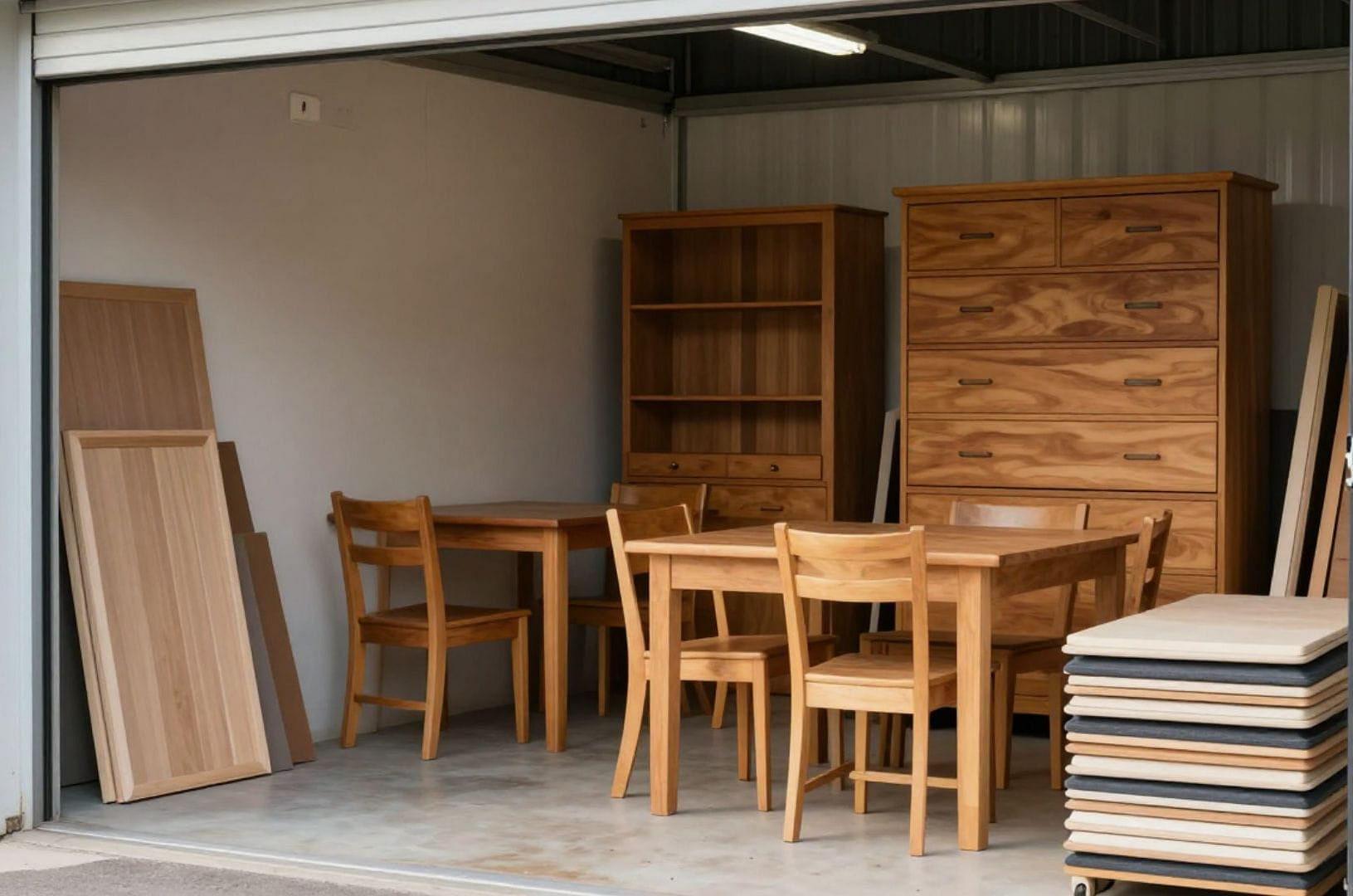
Storing wood furniture for an extended period requires more planning than simply moving it into an empty storage unit. Unlike plastic or metal furnishings, wood is a natural material that continues to react to its surroundings long after it has been crafted into a table, dresser, bookshelf, or bed frame. Changes in humidity, trapped moisture, poor airflow, and improper packing can all affect the condition of your furniture over time. Fortunately, that does not mean you need climate-controlled storage to keep your belongings safe. With the right preparation, a traditional storage unit can protect your investment for months or even years.
If you're comparing storage options in Layton or looking for a convenient place to store furniture during a move, renovation, or while creating additional space at home, East Warehouse Self Storage offers convenient locations on Hill Field Road and Fairfield Road. Choosing the right facility is an important first step, but taking the time to prepare your furniture correctly is what truly helps preserve its appearance and structural integrity throughout storage.
Many people assume that wood furniture will automatically suffer damage inside a standard storage unit, but that is rarely the case when proper precautions are taken. By cleaning every piece thoroughly, protecting the finish, encouraging airflow, and organizing your unit carefully, you can dramatically reduce the risks associated with long term storage while keeping your furniture looking its best.
Key Points for Readers Short on Time
- Clean every piece of wood furniture thoroughly and allow it to dry completely before storing it.
- Apply a protective furniture wax or polish to help preserve the finish during storage.
- Use breathable furniture covers instead of plastic to prevent trapped moisture.
- Keep furniture elevated off the floor and leave space between items to improve airflow.
- Organize your storage unit thoughtfully so furniture remains stable, protected, and easy to inspect.
Why Wood Furniture Requires Special Care During Storage
Wood is a living material, even after it has been transformed into finished furniture. Unlike synthetic materials, it naturally absorbs and releases moisture depending on the surrounding environment. This process, known as hygroscopic movement, causes wood to expand and contract gradually over time. Although these changes are usually minor, they can eventually contribute to loose joints, cracked finishes, warped panels, or sticking drawers if furniture is stored improperly. The good news is that these problems rarely happen overnight. In fact, most damage occurs because furniture was placed into storage without adequate preparation or because moisture became trapped around the wood for extended periods. Understanding how wood behaves allows you to prevent many common storage issues before they ever begin.
According to the U.S. Forest Service's Forest Products Laboratory, wood continually exchanges moisture with the surrounding air throughout its lifetime. This natural characteristic explains why proper ventilation and preparation are essential when storing wooden furniture. Rather than worrying about every seasonal change, focus on creating the best possible environment inside your storage unit. A few preventative measures now can save you from expensive repairs later.
Start by Cleaning Every Surface Thoroughly
One of the most overlooked steps before placing furniture into storage is giving each piece a complete cleaning. While it may seem unnecessary if your furniture already appears clean, dust, fingerprints, cooking residue, and everyday grime can slowly damage finishes when left untouched for months. Begin by wiping every surface with a soft microfiber cloth to remove loose dust. For finished wood, use a cleaner specifically formulated for wooden furniture. Avoid harsh household chemicals, as these products can strip protective finishes or leave behind residue that becomes difficult to remove later.
As you clean, pay close attention to areas people often overlook, including drawer interiors, decorative carvings, cabinet corners, undersides of tables, and chair legs. These hidden spaces tend to collect more dust than visible surfaces. Most importantly, allow every piece to dry completely before wrapping or moving it into storage. Even a small amount of trapped moisture can encourage mildew growth or discolor certain finishes over time.
Protect the Finish Before Putting Furniture Away
After your furniture is clean, the next step is protecting the wood itself. Applying a light coat of quality furniture wax or polish creates a protective barrier that helps reduce surface drying while also minimizing small scratches during transportation and storage. This protective layer is especially beneficial for antique furniture or pieces with natural wood finishes that may be more susceptible to drying over long periods.
However, moderation is important. Too much polish can leave a sticky residue that attracts dust. Instead, follow the manufacturer's recommendations and buff the finish gently before storing the furniture. If you're storing unfinished wood furniture, choose products specifically designed for unfinished surfaces rather than traditional furniture polish.
Disassemble Larger Furniture Whenever Possible
Taking apart large furniture may seem like extra work, but it offers several long-term advantages. Removing table legs, shelves, bed frames, mirrors, and detachable hardware makes furniture easier to move while significantly reducing stress on joints during transportation. In addition, disassembled furniture occupies less space inside your storage unit, allowing you to create wider walkways and improve airflow around larger items.
Keep all screws, bolts, brackets, and small hardware together inside labeled plastic bags. Instead of tossing them into random boxes, secure the bags inside drawers or attach them to the underside of the furniture with painter's tape that will not damage the finish. Making the most of every square foot also becomes much easier when larger furniture is stored efficiently. If you're organizing an entire household, these 10 smart storage tips to get more from every square foot provide additional ideas for maximizing your available storage space without overcrowding the unit.
Skip Plastic Wrap for Long-Term Storage
Plastic wrap certainly has its place during moving day. It keeps moving blankets secure and protects furniture from dirt during transportation. However, when furniture remains wrapped in plastic for several months, problems can develop. Plastic prevents proper airflow. As temperatures naturally fluctuate, moisture may become trapped beneath the plastic, creating conditions that encourage mildew, finish damage, or discoloration.
Instead, cover furniture with breathable moving blankets, cotton sheets, or cloth furniture covers. These materials protect against dust while allowing air to circulate through the wood, reducing the possibility of trapped moisture. If stretch wrap is used at all, it should secure blankets rather than come into direct contact with the wood itself.
Keep Furniture Off the Floor
Although storage facilities are designed to remain clean and dry, concrete floors naturally retain small amounts of moisture. Over extended periods, placing wood furniture directly on the floor may expose it to unnecessary moisture transfer. Fortunately, preventing this is simple.
Place wooden pallets, plastic pallets, or shelving beneath larger furniture pieces. Elevating your furniture only a few inches creates valuable airflow underneath while adding another layer of protection against accidental spills or condensation. This extra step also makes routine inspections much easier whenever you visit your storage unit.
Allow Air to Circulate Throughout the Unit
When people begin filling a storage unit, their first instinct is often to maximize every inch of available space. While efficient packing is important, filling the unit without leaving breathing room can create problems. Instead, leave small gaps between larger furniture pieces whenever possible. Dressers should not be pushed tightly against walls, and tables should not be wedged tightly between stacks of boxes.
These small pockets of airflow help maintain a more balanced environment throughout the storage unit while making it easier to access your belongings later. The additional space also reduces the likelihood of furniture rubbing against other items, which helps prevent scratches and dents over time.
Store Furniture the Way It Was Designed to Stand
It can be tempting to stand large furniture on its side to save floor space, but this often places pressure on joints that were never intended to support weight in that direction. Dining tables should remain upright. Dressers should sit level. Bookcases should stand normally whenever possible. Cabinets should rest flat on their bases. Likewise, avoid stacking heavy boxes directly on top of wooden furniture. Even sturdy hardwood tables may gradually warp or loosen if subjected to uneven pressure for several months. Instead, stack heavier containers on pallets or directly on the floor beside the furniture, reserving furniture tops only for lightweight items such as bedding or empty storage bins.
Protect Fragile Details Before Moving Furniture Into Storage
Many wooden furniture pieces include mirrors, glass inserts, decorative trim, carved moldings, or delicate hardware that require additional protection. Whenever possible, remove mirrors from dressers and wrap them separately using moving blankets and protective padding. Glass shelves should also be removed and stored vertically inside sturdy boxes designed specifically for glass items.
Likewise, protect carved legs, decorative corners, and exposed edges with foam corner protectors or furniture blankets. Although these details may appear sturdy, they are often the first areas to become chipped during transportation. Taking a little extra time before moving day greatly reduces the chance of accidental damage.
Visit Your Storage Unit Occasionally
Long-term storage should never mean forgetting about your belongings completely. Instead, schedule occasional visits every few months to inspect your furniture. During these visits, check that furniture covers remain secure, verify that nothing has shifted, and make sure airflow remains unobstructed. These inspections also provide an opportunity to rotate stored items, adjust organization, or retrieve seasonal belongings without disturbing the entire unit. Regular visits offer peace of mind while helping you identify small issues before they become significant problems.
Storage Can Simplify Home Improvement Projects
Furniture storage is not limited to moving between homes. Many homeowners throughout Layton temporarily store furniture while remodeling kitchens, replacing flooring, repainting rooms, or completing larger renovation projects. Removing furniture from active workspaces gives contractors additional room while protecting valuable belongings from dust, paint, drywall debris, and accidental impacts. Instead of repeatedly moving heavy furniture from one room to another, everything remains organized and protected until the project is complete. Many renovation projects also become excellent opportunities to declutter. Before filling your storage unit, consider sorting through furniture, décor, and household belongings you no longer use. Donating quality items creates additional space while benefiting others in your community. If you're unsure where to begin, this guide explaining where to donate unwanted belongings provides several helpful ideas.
Enjoy Everything Layton Has to Offer While Your Furniture Stays Protected
Having a well-organized storage unit provides flexibility that extends beyond simply creating additional space inside your home. Once large furniture has been safely stored, many homeowners find it much easier to focus on remodeling projects, downsizing, organizing their home, or simply enjoying their free time. Layton is ideally located for residents who enjoy spending time outdoors. Nearby destinations such as Antelope Island State Park, Adams Canyon Trail, and the Great Salt Lake provide opportunities for hiking, wildlife viewing, photography, boating, and family outings throughout the year. The official Visit Utah website offers information about these attractions along with many other recreational opportunities throughout the region. Whether you're reorganizing your home or preparing for your next chapter, knowing your furniture is stored properly allows you to enjoy everything the Layton area has to offer with greater peace of mind.
Proper Preparation Helps Wood Furniture Last for Years
Wood furniture is built to last, but its longevity depends on how well it is cared for during periods of storage. Cleaning every surface, protecting the finish, elevating furniture off the floor, encouraging airflow, and avoiding trapped moisture all work together to preserve the beauty and structural integrity of your belongings. Although climate-controlled storage certainly has advantages in some situations, many wood furniture pieces remain in excellent condition inside a traditional storage unit when these best practices are followed consistently. If you're exploring storage options in Layton, convenient locations are available on both Hill Field Road and Fairfield Road. Combined with thoughtful preparation and careful organization, the right storage solution can help keep your wood furniture protected until it's ready to become part of your home again.