 801-771-7100


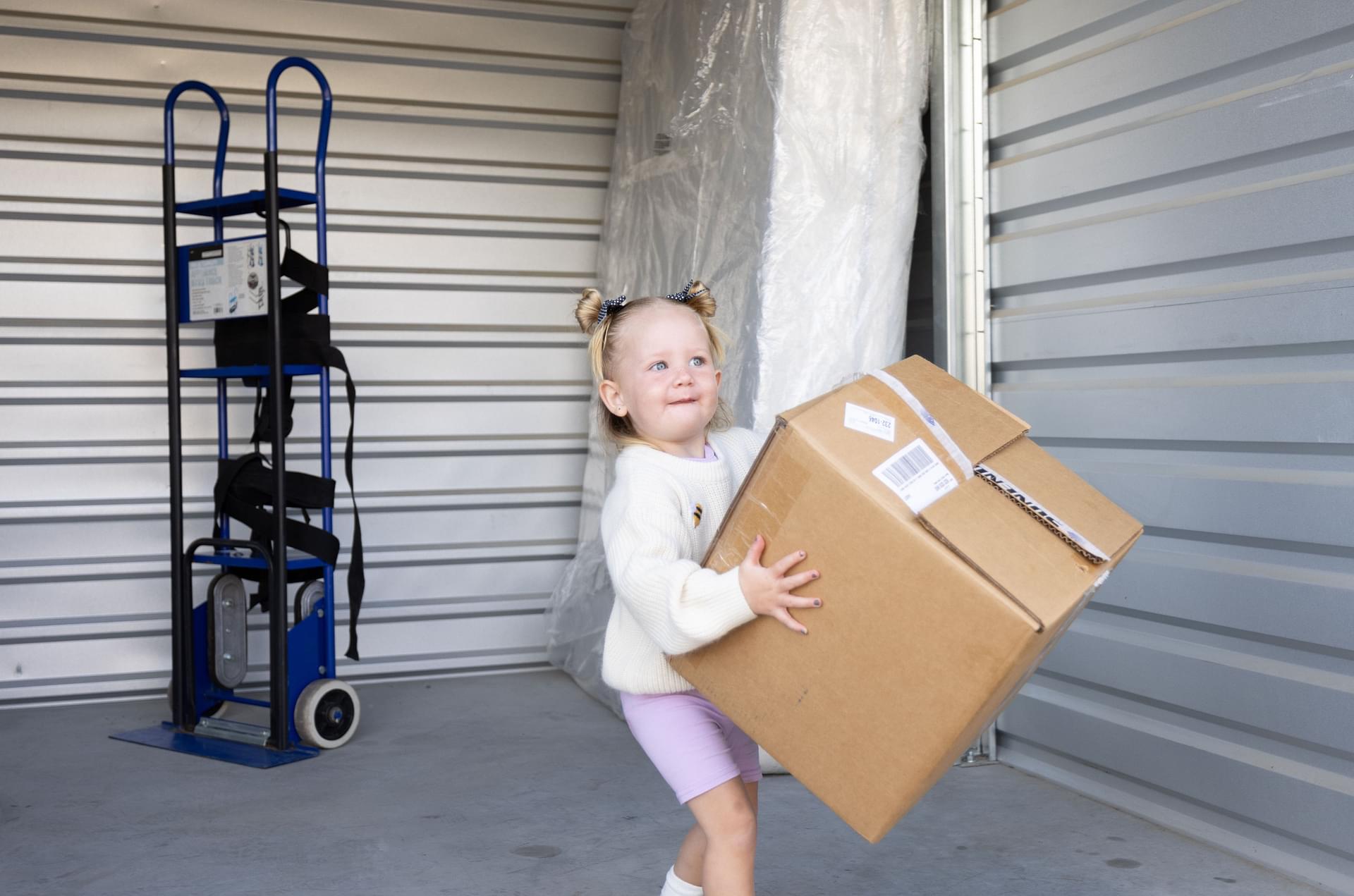
Finding extra space is often easier said than done. Over time, belongings accumulate, seasonal items begin taking over closets, outdoor gear fills the garage, and furniture that once fit comfortably suddenly feels like it's competing for every available inch. While a storage unit provides an excellent solution, the real challenge lies in using that space efficiently. Fortunately, getting more out of your storage unit does not require complicated systems or expensive organizational products. In fact, a few simple strategies can dramatically improve how much you can store while also making it easier to find and access your belongings when you need them.
For residents searching for convenient storage options in Layton or nearby options on Fairfield Road, understanding how to organize a storage unit properly can make a noticeable difference in both convenience and value. Rather than treating a storage unit as a place to simply stack boxes, think of it as an extension of your available living space that deserves the same level of organization and planning. When approached strategically, even a modest storage unit can accommodate far more than most people expect.
Key Points for Readers Short on Time
Create a storage plan before moving items into the unit.
Maximize vertical space with shelves and smart stacking techniques.
Keep an aisle open for easier access to belongings.
Label every box clearly and maintain an inventory list.
Store frequently used items near the front and long-term items toward the back.
Why Organization Matters More Than Unit Size
Many people assume that when a storage unit feels full, the only solution is upgrading to a larger space. However, that is often not the case. More frequently, the issue stems from inefficient organization rather than a lack of square footage. A poorly arranged storage unit can waste significant amounts of usable space. Boxes may be stacked unevenly, furniture may occupy more room than necessary, and important items can become buried behind dozens of other belongings. As a result, every visit to the unit turns into a frustrating search mission. On the other hand, a thoughtfully organized unit allows you to store more items, protect valuable possessions, and access what you need without rearranging half the contents. Investing a little time up front often saves countless hours later.
1. Start With a Plan Before You Move Anything In
One of the biggest mistakes people make is loading a storage unit without a strategy. It's understandable. After all, when moving day arrives, most people simply want to get everything inside as quickly as possible. However, taking a few extra minutes to create a layout can prevent major headaches down the road. Begin by identifying your largest items. Furniture, appliances, shelving units, and oversized recreational equipment should generally be placed first. Once those pieces are positioned, you can organize smaller boxes and containers around them. Additionally, think about which belongings you may need access to throughout the year. These items should be positioned closer to the entrance. By planning your layout before unloading, you create a more functional space from the very beginning.
2. Think Up Instead of Out
When people visualize storage space, they often focus on floor area. Yet one of the most valuable parts of any storage unit is the vertical space above eye level. Rather than spreading items across the floor, consider how you can safely stack and organize upward. Shelving units can dramatically increase storage capacity while also improving accessibility. Instead of digging through stacks of boxes, you'll be able to see and reach your belongings more easily. Furthermore, utilizing vertical space helps keep the unit organized over the long term. Heavy boxes can remain at the bottom while lighter items are stored above. This creates safer storage conditions and makes the most of every available inch.
3. Use Consistent Box Sizes Whenever Possible
Although it may seem like a small detail, box uniformity plays a surprisingly important role in storage efficiency. When boxes vary dramatically in size, stacking becomes difficult. Gaps develop between containers, piles become unstable, and valuable space gets wasted. Conversely, boxes with similar dimensions stack neatly and create stronger, safer storage arrangements. In addition, uniform boxes make inventory management easier. Instead of dealing with a chaotic assortment of containers, you'll have clearly organized rows that are simpler to navigate and maintain. While specialty containers may still be necessary for certain items, consistency should remain the goal whenever possible.
4. Label Everything Better Than You Think You Need To
Many people underestimate how quickly they forget what is inside their storage unit. What seems obvious today may be difficult to remember six months from now. A box labeled "Miscellaneous" might make sense while packing, but it becomes far less helpful when you're searching for a specific item later. Instead, create detailed labels that include the contents and category of each box. For example, "Holiday Decorations: Christmas Lights and Tree Stand" provides much more useful information than simply writing "Decorations." Likewise, placing labels on multiple sides of each box ensures they remain visible regardless of how the containers are stacked.
5. Leave Yourself a Walkway
At first glance, filling every square foot of floor space may appear efficient. However, doing so often creates significant accessibility problems later. Imagine needing a single box located at the back of your unit. Without a clear path, you may need to move dozens of items just to reach it. That process quickly becomes frustrating and time-consuming. Instead, leave a narrow walkway through the center or along one side of the unit. Although it may seem like you're sacrificing space, the convenience gained typically outweighs the slight reduction in storage capacity. As a result, retrieving belongings becomes much faster and far less stressful.
6. Keep Frequently Used Items Near the Front
Not everything in storage has the same level of importance. Some belongings may remain untouched for years, while others need to be accessed regularly. Because of this, organizing according to frequency of use is one of the smartest storage decisions you can make. For example, seasonal decorations, sports equipment, camping supplies, and business records often require periodic access. These items should remain near the entrance where they can be reached quickly. Meanwhile, furniture, family keepsakes, archived documents, and other long-term storage items can be placed farther back. This simple adjustment can significantly improve convenience throughout the year. Individuals managing extended storage timelines may also find value in reading about temporary and permanent storage near Hill Air Force Base, which explores different approaches to short term and long term storage needs.
7. Disassemble Furniture to Create More Room
Large furniture pieces often consume more storage space than necessary. Fortunately, many items can be partially disassembled to reduce their footprint. Table legs, bed frames, shelving units, desks, and other bulky furnishings often become much easier to store once broken down into smaller components. Not only does this free up valuable space, but it also creates more flexibility when arranging the unit. To stay organized, place all screws, bolts, brackets, and assembly hardware into labeled bags and secure them directly to the furniture. This small step can prevent a tremendous amount of frustration when it is time to reassemble everything later.
8. Protect Your Belongings While Maximizing Space
Efficient storage should never come at the expense of protecting your possessions. Although it may be tempting to squeeze as much as possible into every corner, overpacking can increase the risk of damage. Fragile items require adequate cushioning, while furniture benefits from protective covers that help prevent scratches and dust accumulation. Similarly, heavier boxes should always remain at the bottom of stacks. Lighter and more delicate items belong higher up, where they are less likely to be crushed. The Self Storage Association provides additional consumer resources and best practices for protecting stored belongings. Remember that by balancing organization with protection, you can help ensure your belongings remain in excellent condition throughout their time in storage.
9. Create a Simple Inventory System
Even the most organized storage unit can become difficult to manage if you don't remember what's inside. That is why maintaining an inventory list is one of the most overlooked yet valuable storage habits. A basic spreadsheet, notebook, or mobile app can help track box numbers, contents, and locations within the unit. Some people even create a simple map showing where major categories of items are stored. Consequently, finding a specific item becomes much easier. Instead of opening multiple boxes, you'll know exactly where to look before arriving at the facility.
10. Reevaluate Your Setup Every Few Months
Storage needs rarely remain static. New items are added, old belongings are removed, and priorities shift over time. For that reason, periodic reevaluation is essential. Every few months, take a quick look at your layout and determine whether adjustments could improve efficiency. Seasonal items need to move closer to the front. Maybe unused furniture can be consolidated into a smaller area. Even minor changes can create additional space and improve accessibility. Regular maintenance helps prevent clutter from slowly taking over the unit and ensures your storage system continues working effectively.
Storage Solutions That Complement the Layton Lifestyle
One reason storage remains so valuable in Layton is the variety of activities residents enjoy throughout the year. Many households own bicycles, hiking gear, camping equipment, fishing supplies, and other recreational items that can quickly overwhelm garages and spare rooms. Fortunately, organized storage provides a practical way to keep these belongings accessible without sacrificing valuable living space. Whether you're preparing for a weekend adventure at Antelope Island State Park or planning a trip to explore nearby trails, having a dedicated place for outdoor equipment helps keep your home organized.
The Utah State Parks website offers information about recreational destinations throughout the region and highlights many of the outdoor opportunities that attract residents and visitors alike. Additionally, people relocating to the area often discover that storage needs evolve as they settle into a new home and community. Those interested in learning more about the area may find this article on the pros and cons of living in Layton, Utah, particularly helpful.
A storage unit works best when it functions as an organized extension of your home rather than a place where belongings simply disappear behind stacked boxes. By creating a plan, maximizing vertical space, labeling thoroughly, and maintaining a logical layout, you can dramatically increase both the capacity and usability of your unit. Most importantly, these strategies help save time and reduce frustration whenever you need to retrieve something. Small organizational improvements made today can continue paying off for years. Whether you're looking for storage in Layton or exploring options near Fairfield Road, applying these practical storage techniques can help you maximize the use of every square foot while keeping your belongings protected and easily accessible.