 801-771-7100



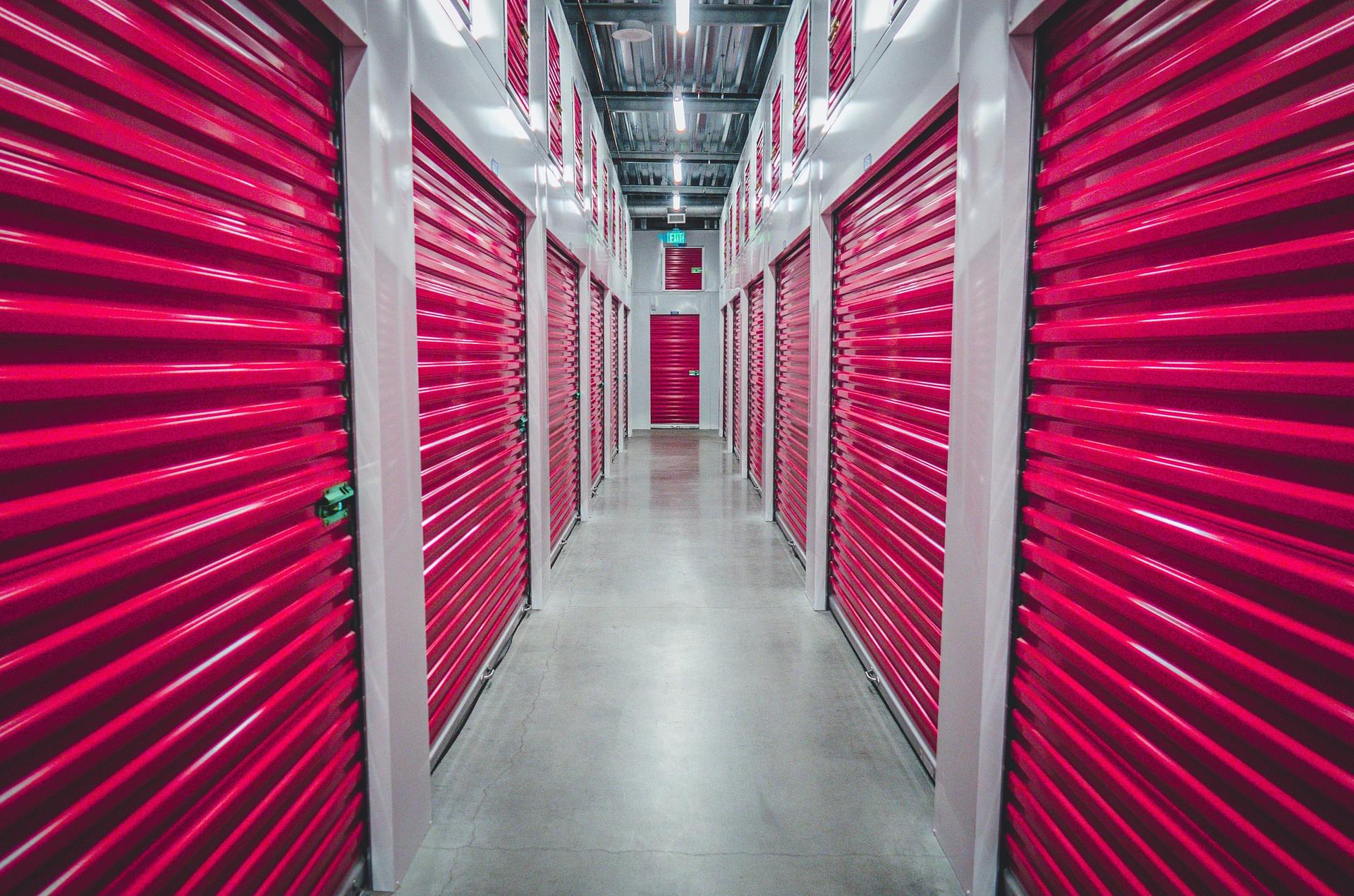
A storage unit can hold more than you might expect, but the way you arrange your belongings makes a difference. Bulky furniture, uneven stacks of boxes, and poorly placed items can eat up valuable space before you finish unloading. Learning how to maximize space in a storage unit starts with choosing the right layout, packing efficiently, and using the available height without putting your belongings at risk.
At East Warehouse Self Storage, we offer storage options in Layton at our Hill Field Road location and units on Fairfield Road for different household and business needs. Both properties offer ground-floor, drive-up access, so you can organize your belongings as you unload instead of carrying everything through hallways.
Start With the Right Storage Unit Size
Before deciding how to arrange your belongings, make sure the unit has enough room for everything you plan to store. Choosing a space that's too small can leave you with unstable stacks or furniture pressed against other items. An unnecessarily large unit, meanwhile, means paying for floor space you don't need.
At our Layton facilities, we offer several sizes suited to different storage needs. Some of our available options include:
5x10 storage unit: Offers 50 square feet of floor space, suitable for boxes, seasonal equipment, and smaller furniture.
10x10 storage unit: Provides 100 square feet, a practical option for bedroom furniture, household belongings, and office equipment.
10x15 storage unit: Offers 150 square feet for larger furniture collections, appliances, and additional household items.
10x20 storage unit: Provides 200 square feet for substantial household storage, large furniture, and major appliances.
10x25 storage unit: Offers 250 square feet for larger storage needs, including enclosed vehicle storage where appropriate.
Availability varies between our Hill Field Road and Fairfield Road properties. The Fairfield Road location also lists larger options, including 15x18 and 20x20 units.
When comparing sizes, start by measuring your largest furniture pieces and counting the boxes you'll need. Leave room for protective wrapping and any walkway you intend to maintain. Our guide to what fits in a 10x20 storage unit offers a closer look at arranging larger household belongings within that floor plan.
Use Vertical Space Without Overloading Your Boxes
One of the most effective ways to maximize storage space is to use the height of the unit rather than spreading everything across the floor. At East Warehouse Self Storage, our facilities feature ceilings approximately 10 to 12 feet high, giving renters additional room for carefully arranged belongings.
Freestanding shelving is useful for organizing boxes and smaller containers. Choose sturdy shelves with an appropriate weight capacity, place heavier belongings on the lower levels, and keep lighter containers above them. Check that the shelves are stable before loading them, and avoid stacking items beyond a height you can safely reach.
If you prefer stacking boxes directly, use containers of similar dimensions. Place heavier boxes at the bottom and lighter ones on top, with fragile belongings kept away from pressure points. Leave enough clearance beneath the ceiling and around any fixtures so the stacks remain stable and accessible.
Disassemble Furniture Before Moving It Into Storage
Furniture often takes up more room when it's fully assembled. Dining tables, bed frames, and certain desks can occupy a substantial portion of the floor, even when there's relatively little stored around them. Removing detachable components creates flatter pieces that are easier to position against a wall or alongside other furniture.
Before taking anything apart, photograph the assembly and place screws, bolts, and brackets in labeled bags. Keep the hardware attached to the corresponding furniture piece in a secure location. If you're storing a bed frame, bundle its components together so you don't have to search through the unit when it's time to reassemble it.
Not every piece should be disassembled. Some furniture has delicate joints or components that aren't designed for repeated removal. Follow the manufacturer's instructions and use protective padding between surfaces that could rub against each other.
Make Use of Empty Furniture Compartments
Dressers, cabinets, and other furniture with interior compartments offer additional room for lightweight belongings. Instead of leaving every drawer empty, consider storing linens, folded clothing, or other soft items inside them.
Avoid overfilling drawers or placing heavy objects inside furniture that wasn't designed to support them during storage. For transportation, secure removable drawers separately when necessary, then return them once the furniture is positioned safely. Keep anything you expect to retrieve frequently in a labeled container rather than buried inside a dresser.
Pack Boxes to Reduce Wasted Space
The containers you choose influence how efficiently you can organize a storage unit. A collection of mismatched boxes creates gaps between stacks, especially when smaller containers are placed beneath larger ones.
Using a few consistent box sizes makes it easier to create stable rows. Fill boxes enough to maintain their shape without exceeding their weight limits, and use packing paper or other cushioning to protect fragile contents. Avoid forcing extra items into a box simply to eliminate space.
Clear plastic bins are another option for belongings you expect to retrieve regularly. Their rigid sides make stacking easier when the containers are designed for it, and transparent walls let you identify contents without opening every lid.
For a more detailed approach to arranging containers and furniture, our guide to getting more from every square foot covers additional packing and organization techniques.
Arrange Your Storage Unit Around Larger Items
The order in which you load a unit affects how much usable room remains. Start by positioning your largest belongings, especially pieces that cannot be stacked or easily moved once everything else is inside.
Place heavy furniture and appliances on a stable, level surface. Where appropriate, arrange taller items along the walls, keeping them secure and avoiding pressure against fragile belongings. Once these pieces are in place, use the remaining spaces for boxes and smaller containers.
Pay attention to irregular gaps around furniture. A narrow opening beside a bookcase might accommodate a slim, protected item, while the space beneath a sturdy table could hold a few lightweight containers. Don't place boxes on delicate furniture surfaces or fill openings so tightly that removing one item risks damaging another.
Organize Belongings by How Often You'll Need Them
A well-organized storage unit should reflect how you intend to use it. Items you won't need for several months can sit toward the back, while belongings you retrieve regularly should remain near the entrance.
For example, seasonal decorations can be grouped together in clearly labeled containers. Camping equipment or frequently used household supplies should be accessible without moving heavy furniture. This arrangement reduces the amount of handling required during each visit.
At our Hill Field Road and Fairfield Road facilities, renters have access seven days a week, from 6 a.m. to 10 p.m. Our drive-up, ground-floor units also allow you to bring your vehicle directly to the storage door for loading and unloading.
Our Hill Field Road property is located at 85 W 2675 N, near the South Gate of Hill Air Force Base, while our Fairfield Road property is at 2502 N Fairfield Road. For renters moving belongings in stages, keeping frequently needed boxes near the entrance makes those return visits easier to manage
Keep a Walkway for Easier Access
Filling every inch of floor space might seem efficient, but it becomes inconvenient when you need something near the back. If you expect to visit regularly, leave a walkway that allows you to reach your belongings without unloading the front half of the unit.
A central aisle works well in larger spaces, while a walkway along one side might be more practical for certain furniture arrangements. The best layout depends on the unit's dimensions and how frequently you'll retrieve items.
For long-term storage, you might choose a denser arrangement if you don't expect to remove anything until move-out day. Even then, avoid stacking belongings in a way that prevents safe unloading.
Label Boxes and Create a Simple Inventory
Even a carefully arranged unit becomes difficult to navigate when you can't remember where individual items are stored. Label each container with a description of its contents rather than a broad category such as "miscellaneous."
Write labels on at least two visible sides so they remain readable after stacking. For boxes containing fragile belongings, include handling instructions that will still be visible when you're unloading the unit.
A simple inventory also reduces unnecessary searching. Number your boxes and record their contents in a spreadsheet or notebook. If you're storing a large number of containers, sketch the unit's layout and note where each group is located.
You don't need a complicated system. Knowing that your kitchen supplies are in boxes 12 through 18 along the left wall is much more useful than remembering only that they're somewhere near the back.
Protect Your Belongings While Saving Space
Maximizing space shouldn't mean packing everything as tightly as possible. Furniture needs protection from scratches, fragile items need cushioning, and heavy containers require stable support.
Use furniture covers or moving blankets where appropriate, especially between pieces stored close together. Keep mattresses in suitable protective bags and follow the manufacturer's storage guidance. Avoid using upholstered furniture as a base for heavy boxes, since concentrated weight can damage the cushioning or frame.
Appliances also require preparation before storage. Clean and dry them thoroughly, follow the manufacturer's instructions for disconnecting and storing them, and make sure there's no trapped moisture inside. Refrigerator and freezer doors should be kept slightly open when recommended to prevent odors and moisture buildup.
If you're using shelving, confirm its weight rating and distribute the load evenly. The goal is to fit your belongings efficiently while keeping them in good condition until you're ready to use them again.
Know When a Larger Unit Makes More Sense
Reorganizing can free up space, but there's a limit to how much a unit can safely hold. If boxes are stacked beyond their rated capacity, furniture is difficult to remove, or you have no room to handle belongings safely, a larger unit may be the better choice.
At East Warehouse Self Storage, we offer different floor plans at our two Layton locations, including larger options for household moves and bulky items. Our 10x20 units, for instance, provide 200 square feet of floor space, while a 10x25 offers another 50 square feet.
Before changing sizes, consider whether the problem is unused vertical space, awkward furniture placement, or simply too many belongings for the available area. Repacking a few containers or disassembling a table might solve the problem without requiring additional floor space.
Make Your Storage Space Work for the Long Term
The best storage layout is one you can maintain after moving day. Keep an inventory, return items to their designated areas, and reconsider your arrangement when the contents change. If you remove several large pieces, use the newly available room to improve access rather than immediately filling every gap.
At East Warehouse Self Storage, our ground-floor units, drive-up access, and variety of sizes give renters practical options for organizing their belongings. Those comparing locations can explore storage options from East Warehouse Self Storage on Fairfield Road or review our Hill Field Road units to find a floor plan suited to their inventory.
Before settling on a size, measure the items that cannot be disassembled and decide how much access you'll need once they're stored. Those two details will tell you more about the space you need than the number of boxes alone.